


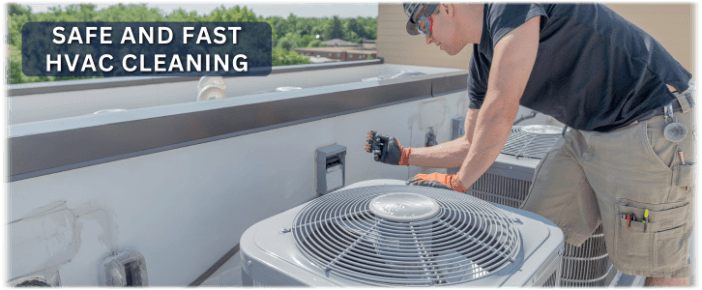
Moisture around cooling equipment can create unwanted growth, which makes HVAC mold removal in Lancaster CA an important service when contamination appears. Lancaster’s dry climate may seem unlikely to support mold. However, condensation, clogged drains, leaks, and cooling equipment can still create damp areas. Therefore, addressing the source and affected surfaces can help protect the HVAC system and indoor environment.
Professional HVAC Mold Removal in Lancaster CA
Mold needs moisture and organic material to grow. HVAC systems can occasionally provide both conditions. Condensation may collect around coils, drain pans, insulation, or nearby components.
Professional HVAC mold remediation focuses on affected areas and the conditions that encouraged growth. First, technicians should evaluate visible contamination and moisture sources. Then, they can determine which components require cleaning or further attention.
Homeowners should avoid treating every dark mark as mold without proper evaluation. Dust and staining can sometimes look similar. Therefore, a careful inspection helps guide the right service instead of unnecessary treatment.
Where Mold Can Develop Around HVAC Equipment
Cooling systems remove moisture from indoor air during operation. However, drainage problems can leave unwanted moisture behind. A clogged condensate line can also allow water to collect around HVAC components.
The evaporator area deserves particular attention because it regularly encounters condensation. In addition, dirty coils can hold dust and debris that complicate maintenance. AC coil cleaning may help when normal buildup affects accessible cooling surfaces.
Duct connections near the air handler can also develop problems when condensation or leaks occur. Therefore, an HVAC mold inspection can help determine how far an issue extends.
Signs You May Need HVAC Mold Removal in Lancaster CA
Visible growth around HVAC components deserves attention. Musty odors near vents or equipment can also signal a moisture-related issue.
Additionally, recurring moisture around the air handler may indicate poor drainage or another HVAC problem. Water stains and damp insulation can provide other warning signs.
However, odors alone cannot confirm mold. Several HVAC conditions can create unusual smells. Therefore, homeowners should identify the source before choosing a treatment.
Lancaster Conditions and HVAC Moisture Problems
Lancaster experiences long, hot summers that keep air conditioners working for extended periods. Consequently, cooling systems can produce significant condensation during heavy use.
Homes throughout 93534, 93535, and 93536 may contain HVAC equipment in attics or other enclosed areas. Those spaces can become extremely hot. Meanwhile, temperature differences around cooled components can encourage condensation when conditions allow.
Properties near Quartz Hill, West Lancaster, and East Lancaster can also face substantial airborne dust. Dust that settles around damp HVAC surfaces can create additional cleaning concerns. For this reason, regular maintenance remains important even in a desert climate.
HVAC Mold Treatment and Related Air Duct Services
Mold around HVAC equipment does not automatically mean every duct requires treatment. Instead, technicians should examine the actual affected areas.
If contamination reaches accessible ducts, air duct mold removal may become appropriate. Meanwhile, air duct cleaning can address ordinary dust and debris when conditions call for it. A ductwork inspection can also identify damaged connections, leaks, or visible contamination.
Other services support different parts of the home’s ventilation system. Dryer vent cleaning removes lint from the dryer’s exhaust pathway. Likewise, attic cleaning addresses accumulated debris around attic spaces and accessible equipment.
Address the Moisture Source, Not Just the Surface
Removing visible growth without addressing moisture can leave the underlying problem unresolved. Therefore, effective service should consider why the area became damp.
A technician may find drainage trouble, condensation, leaks, or excessive debris. Once identified, homeowners can address those conditions alongside appropriate cleaning.
This practical approach helps reduce the chance of repeated problems. Furthermore, it prevents unnecessary treatment of unaffected parts of the HVAC system.
Frequently Asked Questions
Can mold develop inside an HVAC system in a dry climate?
Yes. Condensation and drainage problems can create localized moisture even in dry areas. Mold can grow when suitable conditions remain present.
Does mold around HVAC equipment mean all air ducts need cleaning?
No. Technicians should evaluate the affected areas first. Duct cleaning or treatment only makes sense when conditions inside the ducts justify it.
Why should Lancaster homeowners address HVAC mold quickly?
Moisture problems can allow contamination to continue developing around cooling equipment. Professional HVAC mold removal in Lancaster CA targets affected areas and helps homeowners address the conditions behind the problem.
Schedule an HVAC Mold Evaluation Today
Do not let visible growth or recurring moisture around your cooling system continue unchecked. Call (661) 762-5961 today to identify affected areas and address the source before conditions worsen. Take action now with professional HVAC mold removal in Lancaster CA.